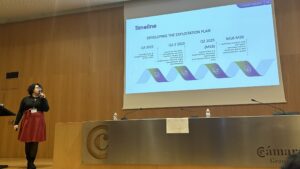
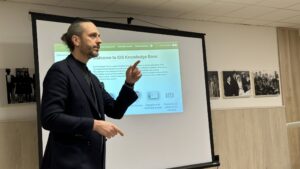
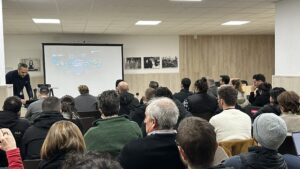
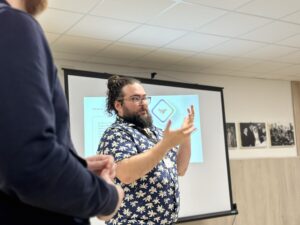
Between January 28 and 29, the 3rd Plenary Meeting of ODEON was held in Granada, Spain, marking a significant milestone in the project’s development, especially as the team enters the final 6 months before closing the first periodic report. Over two days, participants focused on key areas such as the project architecture, technical specifications, pilot site updates, and actions within the Living Labs. They also began outlining the initial steps for the exploitation plan.
The first day featured productive technical discussions about the ODEON Digital Ecosystem, while the second day concentrated on the progress and evolution of the demonstration sites.
Specific sessions were held to share insights from the First Living Lab Workshop in Ireland, which will guide other pilots in planning their Living Labs. A session on consumer and stakeholder engagement allowed participants to share experiences and establish strategies for engaging key stakeholders.
Each pilot site provided updates on their current status, demo cases, and next steps, ensuring alignment with the project’s goals.
Additionally, IDSA led a workshop on the Data Space Protocol and its impact on ODEON’s development, particularly in terms of global-scale interoperability.
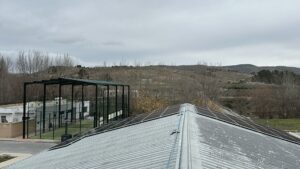
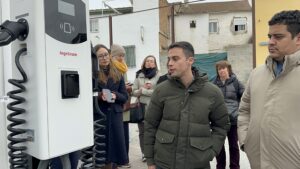
The meeting concluded with a visit to the pilot site in Fornes (Granada), where participants analysed the targeted prosumers:
- Energy Community Members: 29 residential users and 5 public buildings engaged in sustainable energy initiatives.
- Smart Meter Users: Households and public buildings with real-time energy monitoring capabilities.
- DSO Customers: Cuerva customers focused on improving energy efficiency and reducing costs.
- Early Adopters: Individuals eager to test new energy technologies.
CUERVA ENERGIA SLU (Local DSO) and VERGY COMMUNITY SL (LEC Enabler/Operator) are leading this pilot site, which aims to test innovative energy solutions through data sharing and analytics. Key goals include optimizing energy management, integrating distributed resources, enabling community participation in flexibility markets, improving grid stability, reducing costs, and supporting the energy transition.
Fornes will implement several key solutions, including Energy Data Spaces for secure, real-time data sharing among consumers, DSOs, and stakeholders, as well as digital twins for grid optimization. AI will enhance forecasting and self-consumption optimization, while flexibility services will coordinate distributed energy resources to support the grid.
This meeting was crucial for strengthening the project’s progress and aligning efforts across all partners and pilot sites as they approach the final stretch before closing this first period.