How do citizens really see their role in Europe’s energy transition? What drives them to produce their own energy, and what holds them back? These are questions that lie at the heart of the ODEON project’s mission to develop people-centred energy solutions.
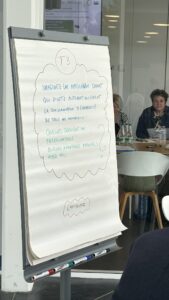
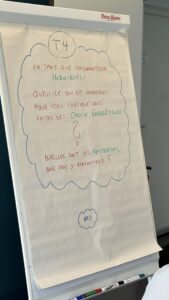
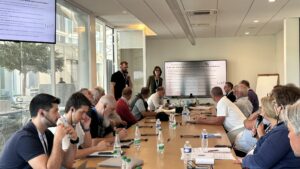
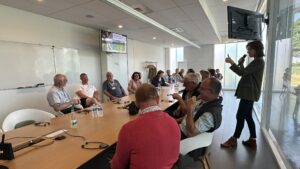
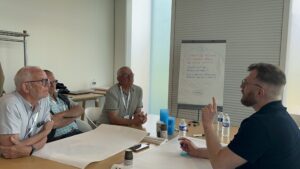
In June 2025, ODEON hosted a workshop in Amiens, France, bringing together local prosumers, citizens who both produce and consume renewable energy. Designed by our stakeholder engagement partner Prospex Institute and hosted by local demo site partner SICAE, the session aimed to go beyond surface-level consultation and create a meaningful dialogue with those who are already actively reshaping the energy landscape from the ground up.
Around 15 local energy prosumers—including farmers and SICAE customers—joined the session, contributing valuable insights into the challenges and opportunities of the energy transition.
The workshop focused on how ODEON’s smart energy solutions can empower local communities, with discussions revolving around energy sharing, digital platforms, and community engagement. Through interactive group sessions, participants expressed their expectations, constraints, and hopes for a more participative, efficient energy system.
The workshop offered valuable insight into the ambitions, concerns, and practical realities facing prosumers today. While each participant brought their own experiences to the table, clear themes emerged around what citizens want from the future of energy and what’s needed to get there.
The cost remains a central driver. Many prosumers cited the high upfront investment required for technologies like solar panels, battery storage, or heat pumps as a key barrier. At the same time, the promise of lower energy bills and more stable prices over the long term was a powerful motivator. For most, reducing monthly costs and the unpredictability of those costs is a top priority.
But economics isn’t the only factor. Energy independence is a powerful aspiration. Participants expressed a strong desire to gain more control over how they produce, consume, and store energy. Minimising dependence on the energy value chain and achieving full autonomy over usage and costs. For many, the ideal scenario is total autonomy: a home that generates its own clean energy, stores it efficiently, and relies as little as possible on external providers. Combining different technologies (solar PV, smart meters, and thermal storage, among others) was seen as the pathway to achieving this vision.
Environmental concerns also play a role, especially among rural participants. While not always the primary motivator, the desire to move away from fossil fuels and reduce carbon emissions is influencing decision-making. The transition, however, must not come at the cost of comfort. Many participants shared experiences with heat pumps that failed to adequately warm their homes in the coldest months, leading them to adopt hybrid systems. often supplementing with wood pellets, to guarantee year-round performance.
Storage emerged as a recurring pain point. Without sufficient capacity, whether physical or virtual, many prosumers said they were unable to fully benefit from the energy they produce. This limits the cost savings and energy independence they’re striving for.

Another area of interest was the potential for Local Energy Communities, systems where citizens can share energy infrastructure and collectively manage generation and consumption. While the idea holds strong appeal, particularly for fostering local cohesion and autonomy, participants flagged significant concerns around governance, fairness, and complexity. There was also caution about abandoning existing schemes, such as fixed feed-in tariffs, without clear, guaranteed benefits.
When it comes to peer-to-peer trading, the mood was mixed. While some were curious about selling excess energy to neighbours through emerging P2P platforms, most said their
focus remained on self-consumption. For trading to gain traction, citizens stressed the need for clear rules, especially around taxation, contracts, and pricing, to ensure any new systems are transparent and financially viable.

Lastly, digital tools such as smart energy management apps were broadly welcomed, but with caveats. Participants expressed interest in tools that could help monitor and optimise their energy use, but only if they are secure, user-friendly, and compatible with existing systems. Concerns about data privacy, automation versus human control, and the risk of digital exclusion were frequently raised.
These insights are more than anecdotal; they help shape the future direction of ODEON’s tools and platforms. They also reaffirm a core belief behind the project: that Europe’s twin energy and digital transitions must be developed with, not just for, the people they affect.
As we continue to engage with stakeholders across Europe, we’ll keep listening and adapting to ensure that ODEON delivers not only technical solutions, but ones that reflect the realities and ambitions of citizens themselves.


ç